Bioarchaeology
Imagine if you could step into a time machine and visit a village from thousands of years ago. What plants would you see? What kinds of animals would be running around? Well, archaeologists have a special way of finding out what plants and animals were like in the past, and they do this through two important fields: archaeobotany and zooarchaeology. Let's explore these together!
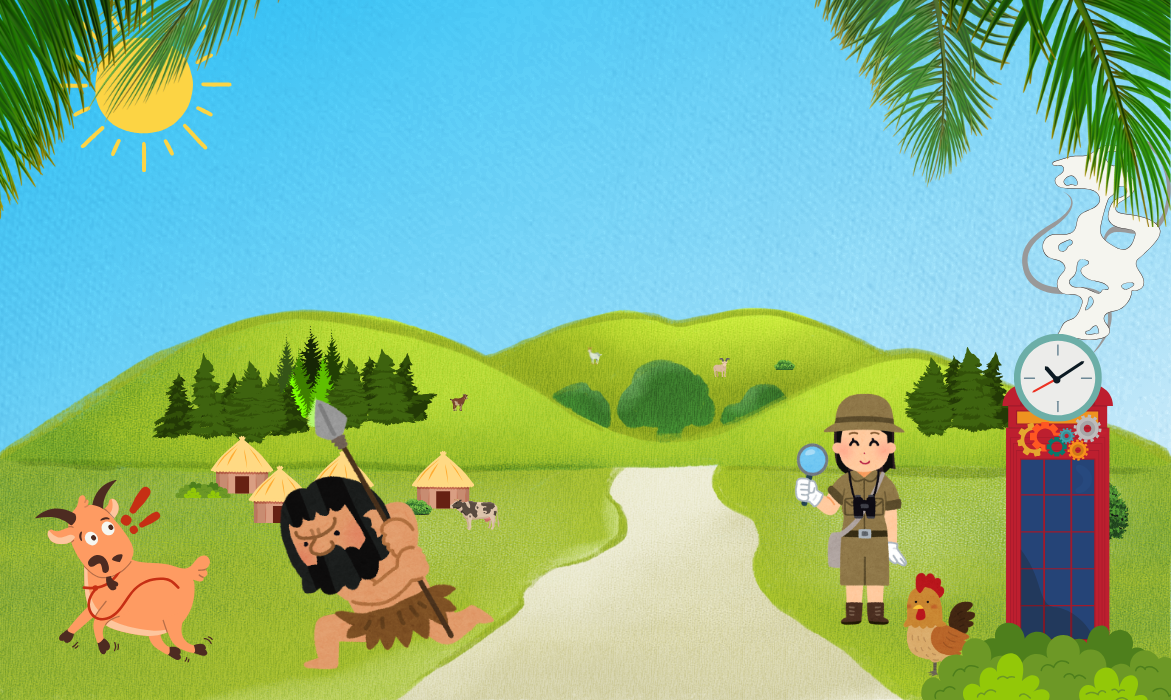
Archaeobotany is all about studying ancient plants. You might wonder, how can archaeologists find out what plants were growing thousands of years ago when they've long since disappeared? The answer lies in tiny plant remains like seeds, pollen, and sometimes even bits of burnt wood or fruit! When archaeologists dig at old sites, they carefully look for these tiny clues. Once they find them, archaeobotanists (that's what you call the experts in this field, not very original) study them in detail to figure out what grew in that place a long time ago. This helps archaeologists understand what the nature around these people looked like, what plants were growing in this environment, and also what people were eating! For example, finding ancient grains like wheat or peach seeds might suggest that people were growing these in their gardens and fields.
Zooarchaeology is the study of ancient animals found in archaeological sites. Just like with plants, archaeologists can't always find full skeletons of animals that lived long ago, but they do often find pieces of bones, teeth, and even ancient animal footprints! By studying these remains, zooarchaeologists can learn a lot about the animals that shared the world with humans in the past. We can then find out what animals were present in the past in a specific place, how these people and animals lived together, and if they were tamed, hunted, or perhaps used for other things. For example, finding the bones of cows, sheep, or goats might show that people had animals living with them and that they were making cheese and warm clothes from wool. Meanwhile, the antler of a deer or even a small seashell might show that ancient humans were hunters or fishers.
Together, these fields are helping archaeologists find out how ancient humans survived, what they ate, and even how they interacted with the world around them. And if you've already read about other methods on the website, like radiocarbon dating and dendrochronology, you probably know that we can use them for these plants and animals too!
So next time you see a seashell or a bone, remember — it could hold secrets from thousands of years ago!